Seaweed-Fiber Handmade Papermaking Techniques
From harvesting brown and red algae on Italian shores to forming sheets with a traditional mould and deckle — a structured overview of the craft.
Featured Articles
Techniques and Methods
Three in-depth articles covering the full process: extracting fibers from marine algae, forming pulp sheets, and drying finished paper in the Italian climate.
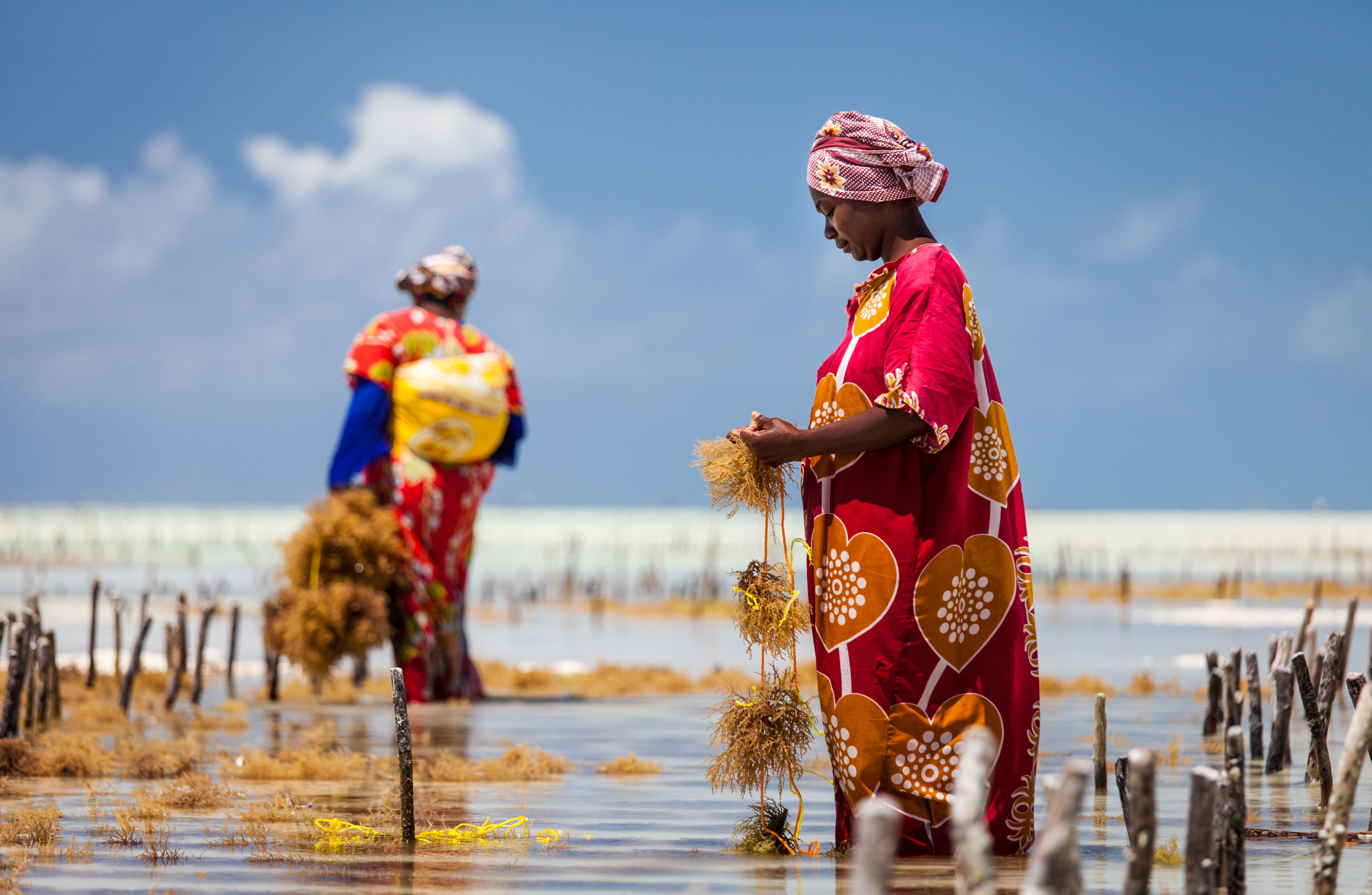
Seaweed Fiber Extraction and Preparation
How brown and red algae are selected, rinsed, treated, and broken down into a papermaking-ready fiber mass — covering both fresh and sun-dried starting material.
Read article
Sheet Formation Techniques with Algae Pulp
Vatting, pulling and couching algae-blend sheets — including how the high mucilage content of certain seaweeds changes drainage behaviour compared to wood-fiber pulp.
Read article
Drying Handmade Paper in the Italian Climate
Outdoor drying on wooden boards, seasonal humidity patterns along the Tyrrhenian coast, and why seaweed-fiber sheets require longer dwell times than pure cotton paper.
Read articleThe Process
Key Stages at a Glance
Algae Selection
Not all seaweeds yield suitable papermaking fiber. Brown macroalgae such as Laminaria and Ecklonia contain long cellulose chains that bond well with cotton linter. Red algae contribute carrageenan, which acts as a natural internal sizing agent.
Retting and Beating
Sun-dried algae is soaked for 24–72 hours to rehydrate the fibers, then beaten in a Hollander beater or by hand with a mallet. The target consistency is a uniform slurry with visible fiber length of 3–8 mm.
Vat Preparation
The algae-fiber slurry is diluted in a vat to roughly 1–2% consistency. Formation aid (guar gum or native carrageenan from the algae itself) is added to slow drainage and improve sheet evenness.
Pulling the Sheet
A mould and deckle is held at a slight forward angle and drawn up through the vat in one smooth motion. The high mucilage content typical of brown algae requires a controlled lift speed to avoid uneven fiber distribution.
Couching and Pressing
Freshly formed sheets are couched onto felts. A post of six to twelve sheets is then cold-pressed at moderate pressure. Over-pressing tears the fragile algae-fiber bonds before the sheet has set.
Drying
In coastal Italian workshops, sheets are traditionally dried on wooden boards propped outdoors in the shade. Direct sun can cause rapid surface drying that leaves the interior damp, leading to wavy sheets.
Context
Seaweed Paper in the Italian Tradition
Historical Background
The Amalfi coast has been associated with European paper production since the 12th century. While early Amalfitan mills used linen and cotton rag, contemporary small-batch makers in the region have documented adding dried Posidonia oceanica seagrass — which washes ashore in dense windrow deposits called banquettes — as a secondary fiber. The Museo della Carta di Amalfi holds working examples of this practice.
Marine Sources
Posidonia oceanica, the endemic Mediterranean seagrass, is legally protected as a living plant but detached dead rhizomes and leaf litter that accumulate on beaches are permitted for collection in most Italian coastal regions. Brown macroalgae such as Sargassum species also strand regularly on Sicilian and Sardinian coasts and represent an untreated secondary fiber source for small studios.
External References
Further Reading
IAPMA
The International Association of Hand Papermakers and Paper Artists documents experimental fiber practices including marine plant inclusions in its technical bulletins.
Museo della Carta di Amalfi
The oldest continuously operating paper mill in Europe, situated in Amalfi. Maintains historical records and demonstrations of traditional Italian sheet-forming methods.
Wikimedia Commons
Public domain and CC-licensed photographic documentation of papermaking processes, seaweed harvesting, and drying techniques referenced throughout this site.